What issues did the community share?
| | IAC Members connected with the community to find out about issues that affect them. | |
| | This includes issues that affect participants. Participants are people with disability who take part in the NDIS. | |
| | IAC Members shared reports about these issues with people from the NDIA. | |
| | People from the NDIA also shared their response to some of these issues. | |




Phone calls and plan reassessments
| | IAC Members said there are issues with the NDIA’s phone calls to participants. |
| | The NDIA does not tell participants that it is going to call them. |
| | This means participants might:
|
| | The NDIA will often do a plan reassessment after these calls. |
| | A plan reassessment is when the NDIA checks if the supports in an NDIS plan still work well for a participant. |
| | An NDIS plan has information about:
|
| | Participants feel they do not have enough time to get evidence for their plan reassessment. Evidence is proof that something is true. |
| | This means some participants get much less funding. Funding is money from a participant’s NDIS plan that pays for the supports they need. |
| | But the NDIA does not tell them why. |
| | IAC Members said this makes participants:
|









Self-managed NDIS plans
| | IAC Members shared some things that worry participants who self-manage their NDIS plans. |
| | Participants who self-manage their NDIS plans pay for their supports through the my NDIS portal and app. |
| | These participants have to give more evidence when they ask the NDIA to pay for a support. |
| | They are also confused about the rules for hiring their own support workers. |
| | Some participants who self-manage their NDIS plans do not know if they need to have service agreements. |
| | A service agreement is a written plan between a participant and their support worker. |
| | It explains:
|
| | They also do not know if their support workers need to do the Worker Screening Check. |
| | A Worker Screening Check makes sure workers are safe to support people with disability. |
| | Self-managed participants are also getting shorter funding periods. |
| | Funding periods tell a participant:
|
| | This makes it harder for participants to choose how they use their funding. |
| | It also makes them worry about running out of funding. |











Changes to funding and NDIS plans
| | IAC Members said some participants are getting less funding in their NDIS plans. |
| | Most of the time it is less funding for support to take part in the community. |
| | Participants are worried this is happening because laws about the NDIS will change soon. |
| | But these laws have not changed yet. |
| | Participants are worried they will not be able to afford their supports because of this. |
| | Some participants might get less support if their funding changes. |
| | This means some participants might:
|
| | Some participants are worried they might need to go back to living in group homes. |
| | Group homes are places where people with disability:
|








Funding for assistive technology
| | IAC Members share some issues with funding for assistive technology. |
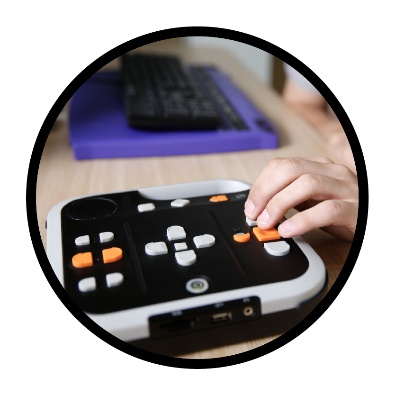
| | Assistive technology is equipment or a device that can help people do things more easily. For example, a wheelchair or a hearing aid. |
| | IAC Members heard about issues from blind and vision-impaired participants. |
| | These participants shared they cannot get funding for technology that anyone can use. |
| | They can only get funding for assistive technology made for people with disability. |
| | This assistive technology:
|
| | Participants often have to wait a long time to get this technology. |




Support coordinators
| | IAC Members said that some support coordinators find it hard to make money. | ||
| | Support coordinators help participants plan and use their supports. | ||
| | This mostly affects support coordinators far away from cities and towns. | ||
| | Support coordinators said this is because:
| ||
| | Participants are worried about losing good support coordinators in these areas. | ||




Providers
| | IAC Members shared what providers have told them. |
| | Providers support people with disability by delivering a service. |
| | Providers have asked the NDIA to give them more information. |
| | They want to know how to manage claims from participants. When you make a claim, you ask the NDIS to pay for a support. |
| | The NDIA have also changed their advice about what supports should cost. |
| | Providers want more information about these changes. |