What issues did the community share?
|
|
Reference Group members connected with the community to find out about issues that affect them. |
|
|
|
This includes issues that affect participants. |
|
|
|
Members shared reports about these issues with the NDIA. |
|
|
|
People from the NDIA also shared their response to some of these issues. |
|


Changes to the NDIS
|
|
Reference Group members said people are worried about how the NDIS laws will change. |
||
|
|
The community does not know how changing the law will affect some parts of the NDIS. |
||
|
|
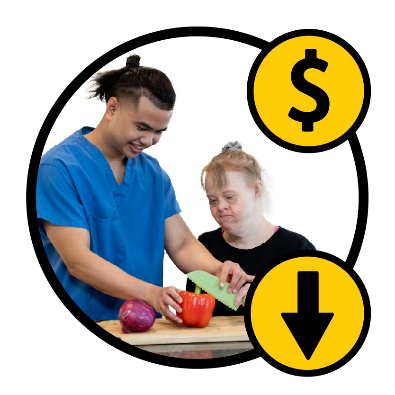
People are worried about changes to funding. |
||
|
|
Funding is money from a participant’s NDIS plan that pays for the supports they need. |
||
|
|
An NDIS plan has information about:
|
||
|
|
Members said participants are worried about getting less funding for certain supports. |
||
|
|
This includes funding for support to:
|
||
|
|
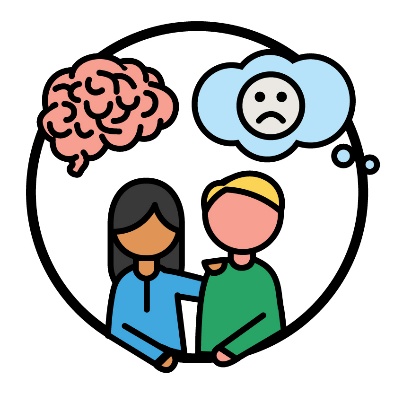
Members said this might affect participants with psychosocial disabilities. |
||
|
|
A psychosocial disability can affect how a person:
|
||
|
|
The NDIA said they understand the changes make some people worry. |
||
|
|
But the NDIA also said the Australian Government is still looking at these changes. |
||
|
|
The NDIA said the government is still looking for ideas from the community. |
||
|
|
They said participants and the community should have their say about these changes. |
||
|
|
The NDIA also said it will start using a new way to make NDIS plans from April 2027. |
||
|
|
At the moment the NDIA is testing this new way of making NDIS plans. |
||

Phone calls and plan reassessments
|
|
Reference Group members said there are issues with check-in calls from the NDIA. |
|
|
A check-in is when the NDIA talks with a participant about how their NDIS plan is going. |
|
|
Members said the NDIA changes NDIS plans after a check-in call. |
|
|
Participants do not realise these calls will:
|
|
|
A plan reassessment is when the NDIA checks if the supports in an NDIS plan still work well for a participant. |
|
|
Members said this can cause participants to:
|
|
|
Some participants also might not answer phone calls from the NDIA. |
|
|
Members said the NDIA should be more honest about why they are calling. |
|
|
The NDIA should improve the way it communicates with participants. |
|
|
The NDIS should also give participants more time to get ready for:
|



Local Area Coordinators (LACs)
|
|
Reference Group members said Local Area Coordinators (LACs) need better training. |
|
|
|
An LAC is someone who helps people with disability find and use supports and services. |
|
|
|
Members said sometimes LACs do not understand:
|
|
|
|
The NDIA said it is setting up a school to train people to do assessments. |
|
|
|
Assessments can help work out:
|
|
|
The school will train: |
||
|
|
people who already have health skills |
|
|
|
people who make and change NDIS plans. |
|




Information about participants
|
|
Reference Group members said the NDIA should collect information about a participant’s gender. |
|
|
|
Your gender is what you feel and understand about who you are as a person. There are more genders than only men and women. You can choose the words that are right for you. |
|
|
|
The NDIA should also collect information about a participant’s sexuality. |
|
|
|
Your sexuality is about the genders you are attracted to. |
|
|
|
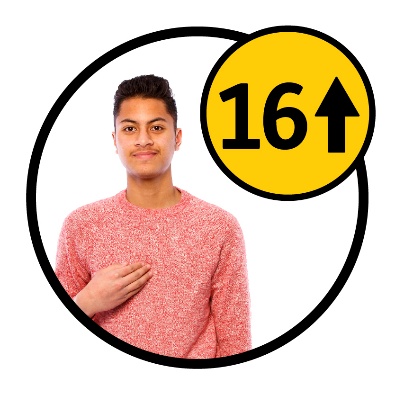
Members said participants older than 16 years old should be able to answer these questions on their own. |
|
|
|
The NDIA said they have been working on ways to better support participants. |
|
|
|
This includes a plan for how it will support LGBTIQA+ participants in the future. |
|
|
|
The letters LGBTIQA stand for lesbian, gay, bisexual, transgender, intersex, queer or questioning and asexual. The ‘+’ is for people who are part of the LGBTIQA+ community but don’t talk about themselves using a word from this list. |
|
|
|
The community will find out more about these plans soon. |
|




News reports on the NDIS
|
|
Reference Group members said the news talks about changes to the NDIS in a bad way. |
|
|
This often affects participants and the disability community in a bad way. |
|
|
Sometimes people will say bad things about participants that makes them feel:
|
|
|
Members want the news to talk about the good things the NDIS does. |
|
|
For example, the ways it helps support participants to live good lives. |