What issues did the community share?
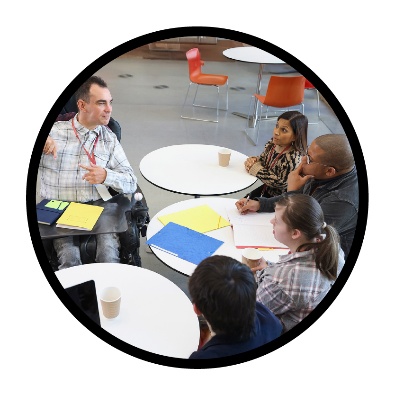
| | Reference Group members connected with the community to find out about issues that affect them. | |
| | This includes issues that affect participants. | |
| | Members shared reports about these issues with the NDIA. | |
| | People from the NDIA also shared their response to some of these issues. | |

Changes to the NDIS
| | Reference Group members talked about:
|
Members shared their thoughts as: | |
| | people with disability |
| | participants |
| | carers of participants. |
| | The NDIA:
|

Changes to funding
| | Reference Group members said people in the community are worried about losing funding for some supports. For example, community supports. | |
| | Funding is money from a participant’s NDIS plan that pays for the supports they need. | |
| | An NDIS plan has information about:
| |
| | Members said this might affect participants in a bad way. | |
| | For example, it will stop participants from being able to use their NDIS plan in different ways. | |
| | Members also said it makes them feel stressed about what else might change in the future. | |



Costs of the NDIS
| | Reference Group members said some people in the community are not happy about how much the NDIS costs. | ||
| | Sometimes the news talks about participants in a bad way when it talks about changes to the NDIS. | ||
| | This causes a lot of participants to feel hurt and upset. | ||
| | Members also said there are things that make it harder for some participants to use the NDIS. | ||
| | These things can mean some people with disability don’t have the same experience with the NDIS. | ||





Ways to protect participants
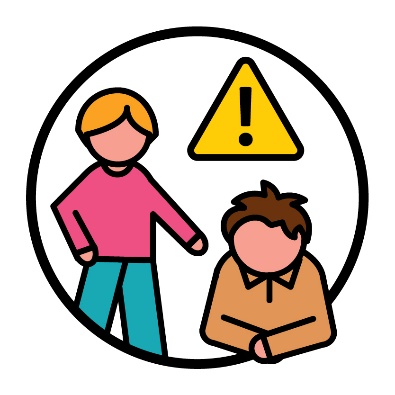
| | Reference Group members asked the NDIA about how they will protect participants from funding changes. | ||||
| | Members are worried that losing funding for some supports will put some people at risk of harm. | ||||
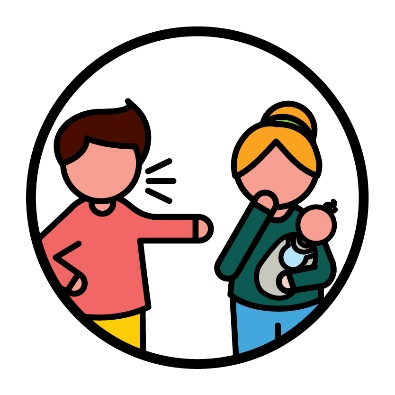
| | For example, participants who are at risk of family and domestic violence. | ||||
| | Family and domestic violence is when someone close to you hurts you, such as:
| ||||
| | Members said they had only heard about ways to:
| ||||
| | Providers support people with disability by delivering a service. | ||||
| | The NDIA said it wants to work with the community as they make changes to the NDIS. | ||||
| | But it can be hard to talk about changes to the NDIS right away. | ||||
| | This is because the NDIA have to wait for the Australian Government to finish changing the laws. | ||||
| | The NDIA told members they want to make sure the NDIS:
| ||||
| | Members said the community also know how important the NDIS is for the future. | ||||



Support needs assessment
| | Reference Group members talked about support needs assessments. |
| | Support needs assessments help the NDIA work out:
|
| | Members said the assessors need to read about participants before the meeting. |
| | An assessor is someone who runs a support needs assessment. |
| | This is to make sure assessors know what information the NDIS needs or doesn’t need. |
| | Members said a lot of NDIS information about participants might be old. |
| | The NDIA said they’re hiring more assessors. This includes 200 assessors from their staff. |



Information about changes to the NDIS
| Reference Group members said information about changes to the NDIS is still: | |
| | confusing |
| | not reaching the right people. |