What issues did the community share?
| | Reference Group members connected with the community to find out about issues that affect them. | |
| | This includes issues that affect participants. | |
| | Members shared reports about these issues with the NDIA. | |
| | People from the NDIA also shared their response to some of these issues. | |

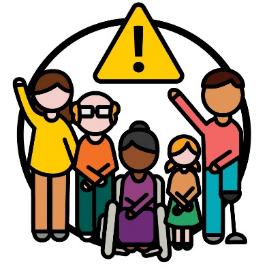


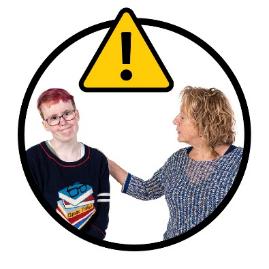
Phone calls to participants
| Reference Group members said the NDIA calls participants: | ||
| | without telling them first | |
| | to do plan reassessments. | |
| | A plan reassessment is when the NDIA check if the supports in an NDIS plan still work well for someone. | |
| | An NDIS plan has information about:
| |
| | Members said participants:
| |
| Members said the NDIA should communicate in a way that: | ||
| | supports disability | |
| | supports people who have experienced trauma. | |
| | Trauma is the way you feel about something bad that happened to you. For example, you might feel scared or stressed. Trauma can affect you for a long time. | |
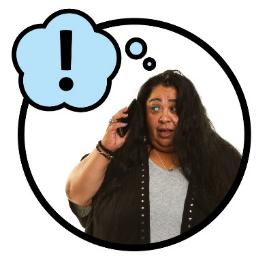







Changes to funding
| | Reference Group members talked about the new changes to funding. | |
| | Funding is the money from a participant’s NDIS plan that pays for the supports they need. | |
| | Members said participants are getting less funding for some supports. | |
| | This makes it harder for participants to get the support they need. | |
| | Members said participants are also confused by these changes to funding. | |
| | For example, some plan reassessments say a participant needs their funding. | |
| | But then they get less funding in their NDIS plan. | |
| | Members asked the NDIA to think about the issues people have with these funding changes. | |
| | They also want the NDIA to think about how these changes could cause safety issues. | |







Concerns about parents
| | Reference Group members talked about an issue parents and providers shared. |
| | Providers support people who take part in the NDIS by delivering a service. |
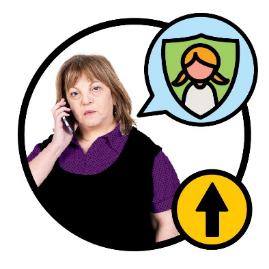
| | Parents and providers are worried about the way the NDIA checks that parents are doing a good job. |
| | They said the NDIA contacts child protection services after plan meetings more often. |
| | Child protection services help children stay safe. They can decide if a child:
|
| | Some people said the NDIA does not focus on the strengths of parents. This includes parents with disability. |
Members heard about this issue from: | |
| | parents who do not earn a lot of money |
| | First Nations parents |
| | single mum families. |






Money that participants earn
| | Reference Group members talked about participants who earn small amounts of money in different ways. | ||
| | The NDIA often think of these as hobbies. It does not think about it as work. | ||
| | Members said this makes it harder for participants to:
| ||



Supported independent living (SIL) and group homes
| | Reference Group members talked about participants who use supported independent living (SIL). |
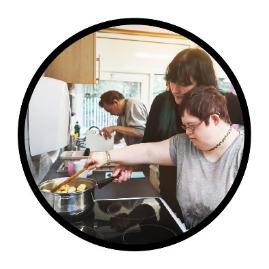
| | SIL is when people with disability live in their own home but get support to do daily tasks. For example, cooking and cleaning. |
| | Members also talked about participants living in group homes. |
| | Group homes are places where people with disability:
|
| | Members talked about the participants who get the most funding. |
| | Only 7% of participants use their funding for:
|
| | Members asked the NDIA to think about spending less funding on group homes. |
They asked the NDIA to use this funding on: | |
| | different housing options |
| | different ways participants can take part in the community. |








Care for participants
| | Reference Group members talked about the NDIS Quality and Safeguards Commission. In this bulletin we call them the NDIS Commission. | |||
| | The NDIS Commission makes sure people with disability who take part in the NDIS:
| |||
| | Members asked that the NDIS Commission and NDIA make rules for when new people take over a provider. | |||
| | Members said providers should make sure there is a plan for each participant’s care before the new people take over. | |||
| | They said providers should agree on this plan with:
and
| |||
| | Members also said the NDIA should have a way to make sure a participant always gets the care they need. | |||
| | For example, if there is a problem with the new people who run their provider. | |||