What issues did the community share?
| | Reference Group members connected with the community to find out about issues that affect them. | |
| | This includes issues that affect participants. Participants are people with disability who take part in the NDIS. | |
| | Members shared reports about these issues with the NDIA. | |
| | People from the NDIA also shared their response to some of these issues. | |
Thriving Kids
| | Reference Group members said the community are worried about Thriving Kids. | |
| | Thriving Kids is a new program for children who need extra support. | |
| | For example, children with developmental delay. A developmental delay is when a child takes longer than usual to learn things like walking or talking. | |

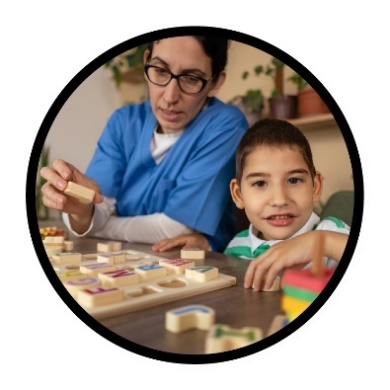
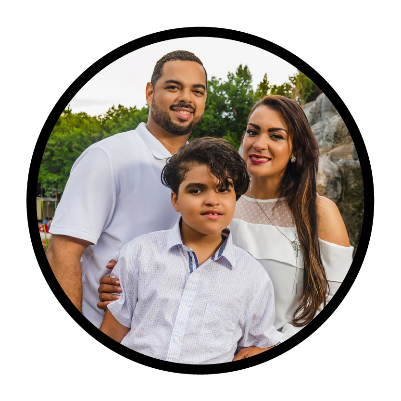
| | The community are worried about how Thriving Kids will affect families with Autistic children. |
| | The community are also worried about how Thriving Kids will affect their funding. |
| | Funding is money from an NDIS plan that pays for the supports a participant needs. |
| | An NDIS plan has information about:
|
| | The NDIA said the Thriving Kids program will start from 1 October 2026. |
| | It expects Thriving Kids to be in full use by 1 January 2028. |
| | Children will keep using the NDIS if they:
|
| | Thriving Kids will support children with low support needs. |





Assessments
| | Reference Group members said the community are worried about assessments. |
| | The NDIA uses assessments to work out:
|
| | Members asked the NDIA to make sure it supports children and families leaving the NDIS. |

Funding periods
| | Reference Group members asked the NDIA to share more information about funding periods. |
| | Funding periods tell a participant:
|


Decisions about changes to the NDIS
| | Reference Group members said the community are worried about how the NDIA makes decisions. | |
| | They’re worried that NDIA makes decisions too quickly. | |
| | This includes decisions about changes to the NDIS. | |

Funding
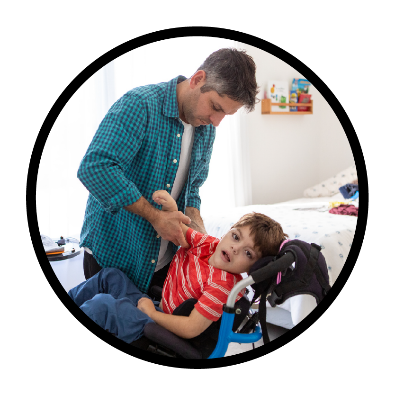
| | Reference Group members said participants told them about losing some of their funding. | ||
This means | |||
| | they can’t pay for some support they used to get | ||
| | their families have to do more to support them. | ||
| | Some families have had to leave work to care for participants. | ||


Young people who need mental health support
| | Reference Group members shared that the NDIA said no to certain supports for some young people. | ||
| | This includes young people who need support with their mental health. | ||
| | A person’s mental health is about how they:
| ||
| | Members said it can be harder for some young people to get the support they need. | ||
| | Members asked the NDIA and state governments to work together to better support young people. | ||




Child protection services
| | The NDIA said they’ve been working with child protection services. |
| | Child protection services help children stay safe. They can decide if a child:
|
| | They’ve been trying new programs to help support children who need extra support. |
| | This work started in August 2025. |
| | It has helped the NDIA improve the way they work with children and family services. |