What issues did the community share?
| | Reference Group members connected with the community to find out about issues that affect them. | |
| | This includes issues that affect participants. Participants are people with disability who take part in the NDIS. | |
| | Members shared reports about these issues with the NDIA. | |
| | People from the NDIA also shared their response to some of these issues. | |
Changes to the NDIS
| | Reference Group members said people are worried about how changes to the NDIS will affect NDIS plans. | |
| | An NDIS plan has information about:
| |
| | People are worried participants will lose funding for supports that help them to take part in the community. | |
| | Funding is money from a participant’s NDIS plan that pays for the supports they need. | |
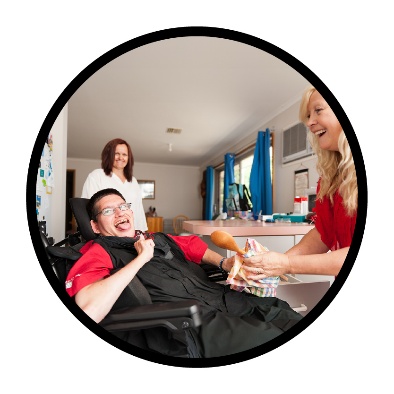
| | These supports are important because they have a good effect on the lives of people with disability. | |
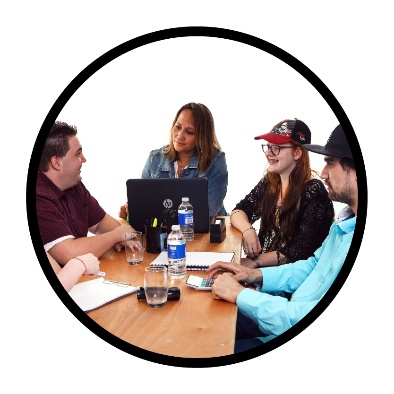
| | Members said the NDIA should include people with disability when it makes decisions. | |
| | This includes when the NDIA makes decisions about its rules and laws. | |

NDIS Amendment Bill
| | The NDIS Amendment Bill is a new law to change some parts of the NDIS. In this document, we call it the Bill. | ||
| | Reference Group members said people were not happy about the way the NDIA checked the Bill. | ||
People said: | |||
| | there was not enough time to share their ideas about the Bill | ||
| | there were not enough meetings to hear from people in the community. | ||
| | Members said they think the report about the Bill will miss important information. | ||
| | For example, it will not include information from children and young people. | ||




Foundational supports
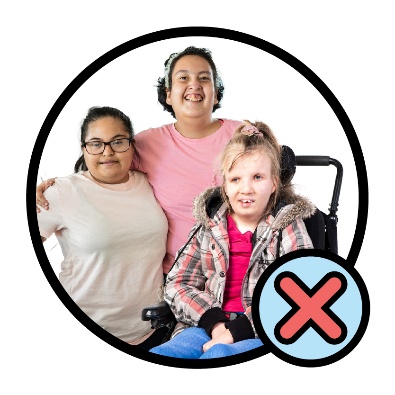
| | Reference Group members said people are worried about foundational supports. | |
| | Foundational supports are disability supports for all people with disability. This includes people with disability who don’t take part in the NDIS. | |
| | People are worried there is not enough information about foundational supports. | |
| | This includes how foundational supports work outside of the Thriving Kids program. | |
| | Thriving Kids is a new program for children who need extra support. | |
| | For example, children with developmental delay. A developmental delay is when a child takes longer than usual to learn things like walking or talking. | |
| | Not having this information means people are:
| |
| | Participants don’t know how to plan for the future if the NDIA gets rid of the supports they need. | |

Participants in the NDIS
| | Reference Group members said people are scared about changes to who can take part in the NDIS. | |
People are scared some participants: | ||
| | can no longer take part in the NDIS | |
| | are losing funding for some supports. | |
| | Members suggest the NDIA use co-design when it makes decisions. | |
| | Co-design is when people work together to plan something new. | |
| | For example, the NDIA should use co-design with people with disability. | |


What did the NDIA share?
| | The NDIA said they understand the community feels stressed. |
| | The NDIA said it is working to make sure people understand the changes to the NDIS. |
| The NDIA also said it values the information it gets from: | |
| | the IAC |
| | the IAC Reference Groups. |
| | The NDIA also said the Thriving Kids program will start 1 January 2028. |