What issues did the community share?
| | Reference Group members connected with the community to find out about issues that affect them. | |
| | This includes issues that affect participants. Participants are people with disability who take part in the National Disability Insurance Scheme (NDIS). | |
| | Members shared reports about these issues with the NDIA. | |
| | People from the NDIA also shared their response to some of these issues. | |

Improve Thriving Kids
| | Reference Group members said some families with young children are confused about Thriving Kids. | ||
| | Thriving Kids is a program for children who need extra support. | ||
| | For example, children with developmental delay. A developmental delay is when a child takes longer than usual to learn things like walking or talking. | ||
| | Members said the NDIA and Thriving Kids need to work together better. | ||
| | This includes when the NDIA checks if a child can take part in the NDIS when they turn 6 years old. | ||
The NDIA said Thriving Kids will: | |||
| |
| ||
| |
| ||
| | The NDIA said some children with disability who need extra support can still use the NDIS. | ||




Changes to therapy
| | Reference Group members said participants are worried about changes to the types of therapy they can use. | ||
| | Therapy includes different types of support that can help improve how:
| ||
| | Members said participants are being told different things about what types of therapy they can use. | ||
| | This is because some NDIA planners are not sure what types of therapy participants can use. | ||
| | An NDIA planner is someone who:
| ||
| | An NDIS plan has information about:
| ||
| | Autism can affect how you:
| ||
| | Members said that changes to therapy make some Autistic people feel like they don’t belong. | ||
| | Autistic people feel this way because people have been saying bad things about them:
| ||






Child protection services
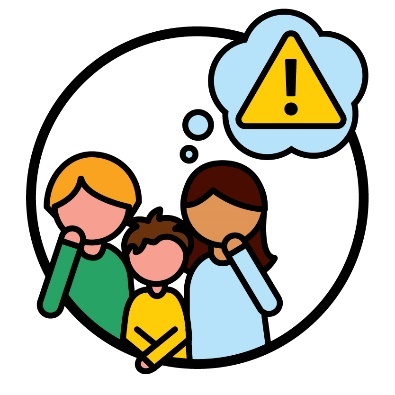
| | Reference Group members said some families are worried about child protection services. | ||
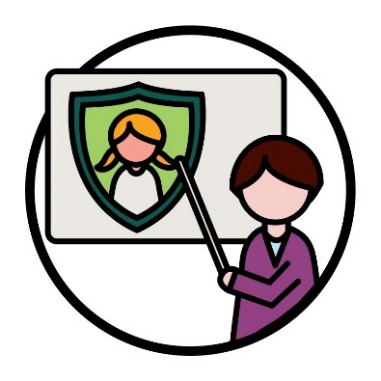
| | Child protection services help children stay safe. They can decide if a child:
| ||
| | Families are worried that some NDIA planners are calling child protection services. | ||
| | NDIA planners are doing this because of how a parent’s disability affects the way they care for their child. But they aren’t always right. | ||
| | Members asked the NDIA what training NDIA planners have about when to call child protection services. | ||
| | The NDIA said they will look into this issue. | ||



Assistive technology
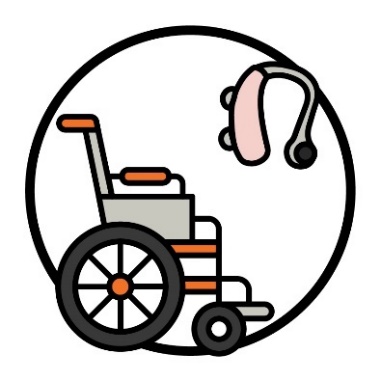
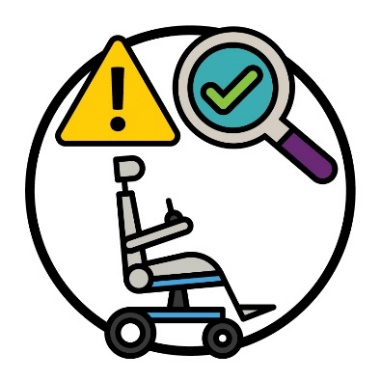
| | Assistive technology is equipment or a device that can help people do things more easily. For example, a wheelchair or a hearing aid. |
| | Reference group members said it can be hard for some participants to find the right assistive technology. |
| | This includes participants who live very far away from cities and towns. |

Support to apply to the NDIS
| | Reference Group members asked the NDIA to support people when they apply to the NDIS. |
| | Members said that many people feel like it’s too hard to apply to the NDIS. |
| | The NDIA thanked members for sharing this information. |
| | The NDIA also said they would think more about what members shared. |



Changes to assessments
| | Reference Group members said some people are worried about changes to assessments. |
| | The NDIA uses assessments to work out:
|
| | Members said they want to know more about how the NDIA will run assessments. |

This includes how they will think about: | |
| |
|
and | |
| |
|
| | Anxiety is when you feel very worried or scared about something that may or may not happen. |
| | The NDIA said they have a new tool to help them decide what supports people with disability need. |
| | But they are still working on an assessment for children under 16 years old. |